Death of Ahmad and Noor
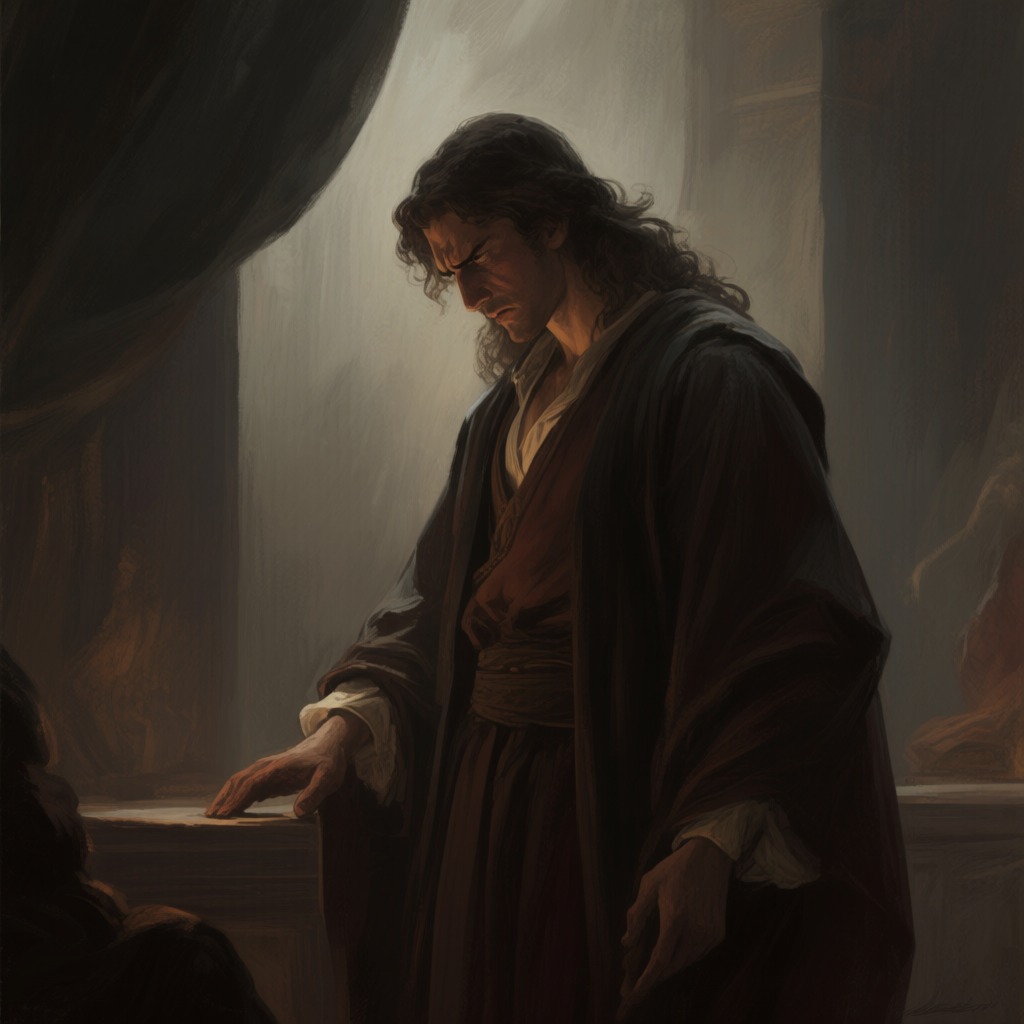
The deaths of Laila's older brothers, Ahmad and Noor, in the war against the Soviet occupation constitute a foundational trauma that reshapes the entire trajectory of Laila's family. The news arrives on an ordinary evening, delivered by a stranger in a potato-colored coat and a brown wool pakol, who brings word from Panjshir. The messenger's muted words cause Hakim's face to turn white and send Fariba into a paroxysm of screaming and tearing at her hair. This single event transforms the household from one of strained but functioning dynamics into a space dominated by Fariba's incapacitating grief, a condition that will define Laila's adolescence and early womanhood.
The Aftermath and Fariba's Transformation
In the wake of the deaths, Fariba's personality undergoes a radical and permanent change. She retreats to her bed, wearing black, and develops a host of psychosomatic ailments—chest pains, headaches, joint aches, and night sweats—for which doctors can find no physical cause. She neglects all household duties, leaving Laila to shoulder the chores of cooking, cleaning, and ironing. The only task Fariba never abandons is her five daily namaz prayers, which she ends by muttering prayers for the Mujahideen's victory. She becomes the curator of her sons' memory, treating Laila as a mere visitor to the museum of their lives. Laila comes to understand that her own future is no match for her brothers' heroic past, which has overshadowed her in life and will obliterate her in death. Fariba's heart, Laila reflects, is like a pallid beach where her own footprints will forever wash away beneath the waves of sorrow that swell and crash.
Laila's Burden and the Loss of Childhood
The deaths force Laila into a premature adulthood. She becomes the primary caretaker of the house and of her mother, coaxing Fariba out of bed for baths and meals. The emotional burden is immense; Laila fears her mother might attempt suicide, a fear she confides to her friend Hasina, leading them to hide the kitchen knives and sharp skewers. When Laila finally asks Fariba directly if she would harm herself, Fariba admits she has thought about it but says she wants to live to see the Mujahideen's victory, so her sons can see it through her eyes. This answer leaves Laila with dueling emotions: reassured that her mother will live, but stung that she herself is not the reason. The loss of her brothers also robs Laila of her own childhood innocence, as the war that killed them becomes a constant, menacing presence in her life.
Thematic Significance: The Cost of War and the Shaping of Identity
The deaths of Ahmad and Noor serve as a stark illustration of the novel's central theme: the devastating, personal cost of Afghanistan's decades of war. The event is not merely a plot point but a catalyst that shapes Laila's identity as a survivor and a caretaker. It also creates a deep, unbridgeable chasm between Laila and her mother, a wound that never fully heals. The brothers' martyrdom becomes a sacred, untouchable narrative within the family, one that Fariba uses to justify her own withdrawal from life and her neglect of Laila. This event, more than any other, demonstrates how war does not only kill its victims but also mutilates the lives of those left behind, forcing them into roles they never chose and burdening them with grief that can never be fully expressed or resolved.